

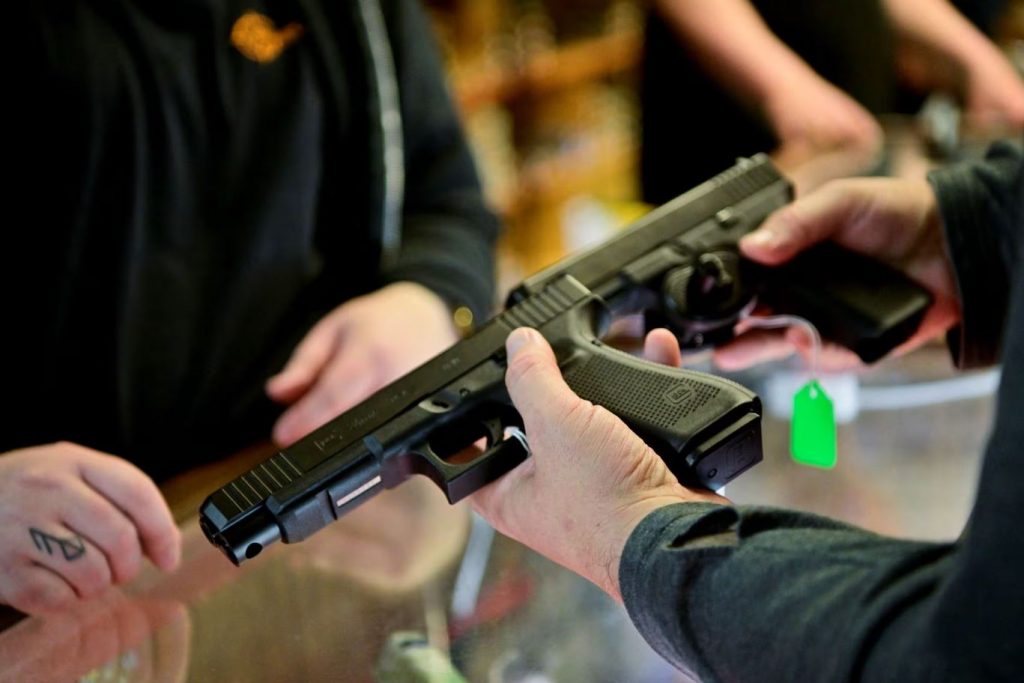
Obtaining a Possession and Acquisition License (PAL) or a Restricted Possession and Acquisition License (RPAL) in Canada is a significant step towards responsible firearm ownership. However, it’s imperative for new license holders to understand the legal obligations and considerations that come with holding such licenses. Here, we outline key legal aspects that PAL and RPAL holders should be aware of to ensure compliance with Canadian firearm laws.
- Understanding License Categories:
- The PAL allows individuals to possess and acquire non-restricted firearms, such as rifles and shotguns, primarily used for hunting and sport shooting.
- The RPAL extends this permission to restricted firearms, including handguns and certain semi-automatic rifles.
- Storage and Transportation:
- Firearms must be stored unloaded and securely locked, with ammunition stored separately.
- When transporting firearms, they must be unloaded, trigger-locked, and secured in a locked container, preferably out of sight in a vehicle.
- Authorized Activities:
- PAL holders can use non-restricted firearms for hunting, target shooting, and protection of life.
- RPAL holders can engage in the same activities but are subject to additional restrictions on where they can shoot and store their firearms.
- Compliance with Firearm Registration:
- All firearms must be registered with the Canadian Firearms Program (CFP). Non-restricted firearms typically do not need to be re-registered unless there is a change in ownership or address.
- Restricted firearms must be re-registered every five years.
- Adhering to Firearm Prohibitions and Regulations:
- Certain firearms are prohibited in Canada, and it is illegal to possess, acquire, or transfer them. It is essential to check the current list of prohibited firearms to avoid legal repercussions.
- Modifications to firearms, such as barrel length or overall length, can change their legal classification. Seek professional advice before making any alterations.
- Background Checks and Reporting Obligations:
- PAL and RPAL applicants undergo rigorous background checks, including criminal record checks and mental health assessments.
- License holders must report any changes in their personal information or circumstances that may affect their eligibility to possess firearms.
- Respecting Provincial and Municipal Regulations:
- Some provinces and municipalities have additional regulations regarding firearm ownership, storage, and transportation. It is crucial to be aware of and comply with these local laws.
- Education and Training:
- Completion of the Canadian Firearms Safety Course (CFSC) and Canadian Restricted Firearms Safety Course (CRFSC) is mandatory for obtaining a PAL or RPAL.
- Ongoing education and training in firearm safety and handling are highly recommended to ensure responsible ownership and safe firearm use.
- Penalties for Non-Compliance:
- Failure to comply with firearm laws can result in severe penalties, including fines, imprisonment, and revocation of firearm licenses.
- Ignorance of the law is not a valid defense, so it is incumbent upon license holders to stay informed and adhere to all legal requirements.
- Seeking Legal Advice:
- If in doubt about any aspect of firearm ownership or legal requirements, seek guidance from legal professionals specializing in firearms law.
- Proactively addressing legal concerns can prevent potential legal issues and ensure compliance with Canadian firearm regulations.
Obtaining a PAL or RPAL in Canada is a privilege that comes with significant legal responsibilities. New license holders must familiarize themselves with the relevant laws, regulations, and best practices to ensure safe and lawful firearm ownership. By prioritizing education, adherence to legal requirements, and responsible firearm handling, PAL and RPAL holders can contribute to a safer environment for themselves and their communities.